
Pest and mold problems in San Antonio apartments: health risks and what to do
By San Antonio Apartment Locators Group · Updated 2026-06-26
This guide covers general health and safety information about pests and mold in rental housing. It is not medical or legal advice. If you have a health condition affected by mold or pests, talk to a doctor about your specific situation.
Pest problems, particularly roaches, come up more often than almost any other complaint in resident reviews of apartment complexes across Greater San Antonio. Mold and water damage show up less frequently but carry more serious health implications when they do. Here’s what to actually watch for and what to do about it.
Why pests are such a common complaint
San Antonio’s climate, older housing stock in some parts of the metro, and shared-wall living all make pest control an ongoing job rather than a one-time fix. Roach activity tends to spread between units in a building, which means one poorly managed unit can affect its neighbors. Communities that handle this well typically run scheduled pest control across the whole property rather than waiting for individual complaints, which is a fair question to ask a leasing office directly during a tour.
What pest and mold issues can mean for your health
Cockroach droppings and shed skin are a known asthma and allergy trigger, especially for children. Mold exposure can cause symptoms ranging from mild nasal irritation to more serious respiratory problems in people with asthma, allergies, or weakened immune systems. Neither issue is something to treat as purely cosmetic. If you or a family member has a respiratory condition, pest and moisture control at a property deserve extra attention before you sign.
What to check before you sign a lease
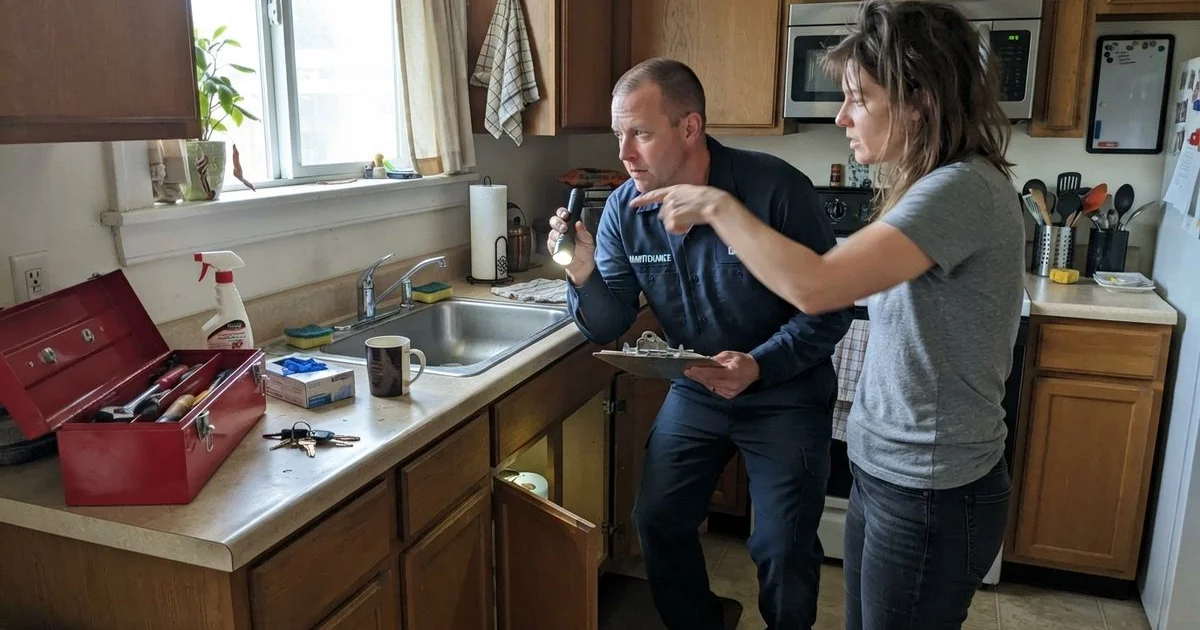
A short walkthrough can catch a lot. Look under sinks and around window frames for water stains, warping, or a musty smell, since these are early signs of moisture problems that can lead to mold. Check baseboards and dark corners in the kitchen and bathroom for pest activity. Ask the leasing office how often they schedule pest control, whether it’s proactive or complaint-based, and how they handle a mold report if one comes in.
| Warning sign | What it may indicate |
|---|---|
| Musty or damp smell near sinks, tubs, or windows | Hidden moisture, a possible early mold source |
| Visible dark or fuzzy spots on walls or ceilings | Active mold growth |
| Roach droppings or shed skin in cabinets | Ongoing pest activity, possibly building-wide |
| Water stains or warped baseboards | Past or current leaks |
| Standing water near HVAC units or plumbing | Active leak that needs immediate attention |
What to do if a problem shows up after you move in
Report it in writing as soon as you notice it, even if you also call the office, so there’s a dated record. Take photos. If the response is slow, follow up in writing again and keep that copy too. A documented pattern of requests matters both for getting the issue fixed and for any later conversation about your lease or deposit. If a property has a pattern of unresponsive maintenance, that’s worth factoring into whether you renew.
Simple prevention steps that are worth doing regardless
Some pest and moisture prevention is within a renter’s control even at a well-managed property. Wipe down counters and don’t leave food out overnight, take trash out regularly rather than letting it sit, and run a bathroom fan or crack a window after a shower to cut down on the humidity that feeds mold. Report a small leak the moment you notice it rather than waiting to see if it gets worse, since a slow drip under a sink can turn into a much bigger mold problem within a matter of weeks in San Antonio’s humidity. Keeping clutter off the floor in closets and under sinks also makes it easier to spot early pest activity before it spreads.
Weighing this before you choose a community
No apartment community is immune to an occasional pest sighting or a slow leak, but a pattern of unaddressed complaints is different from a one-off issue that got fixed fast. A gated entrance and a pest-free unit are separate questions; our gated community safety guide covers what a controlled entrance does and doesn’t tell you. Reading recent resident feedback and checking a property’s maintenance responsiveness through our scoring methodology can give you a much clearer picture than a single tour ever will.
FAQ
- Are pest problems common in San Antonio apartments?
- Pest complaints, especially roaches, are one of the most frequently mentioned issues across resident reviews in this market, though it varies a lot by individual property and how quickly management responds.
- Is mold in an apartment dangerous?
- Mold exposure can trigger allergy-like symptoms and worsen asthma or other respiratory conditions in sensitive people. Any visible mold growth or persistent musty smell is worth reporting and addressing quickly.
- What should I check for pests and mold before signing a lease?
- Look under sinks and around windows for water stains or musty smells, check the unit and hallways for signs of pests, and ask the leasing office directly about their pest control schedule.
- What should I do if I find pests or mold after moving in?
- Report it in writing right away, keep a copy of your request, and follow up if nothing happens within a reasonable timeframe. A paper trail matters if the problem doesn't get fixed.