
Move-out cleaning and deposit return: how to get your money back in Texas
By San Antonio Apartment Locators Group · Updated 2026-07-06
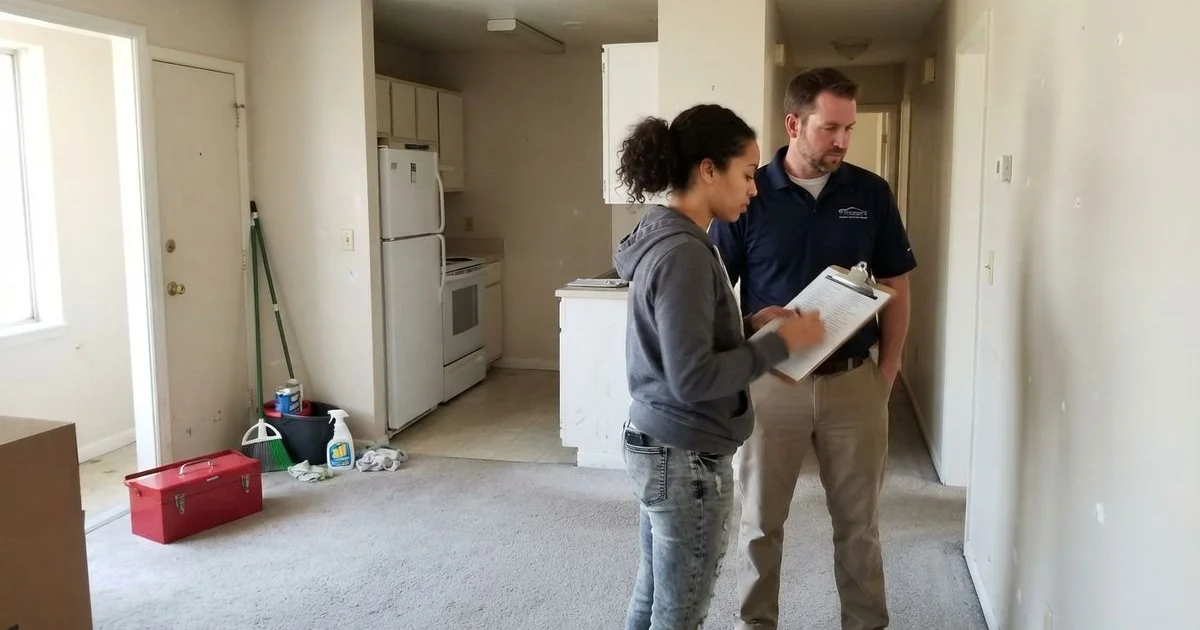
The last few days in an apartment matter more for your deposit than most renters expect. A little preparation at move-out avoids the most common disputes and gets your deposit back faster, without the back-and-forth that a rushed or half-finished cleaning job tends to invite.
What “normal wear and tear” actually covers
Everyday living causes some wear: light carpet traffic patterns, small nail holes from hanging pictures, minor scuffs on walls. This kind of wear is generally not something a property can deduct for. What crosses the line into a valid deduction is damage beyond that baseline, like large stains, holes, or a unit left with excessive cleaning needs. Knowing this distinction ahead of time helps you focus your move-out effort where it actually counts.
A practical move-out cleaning checklist
Start with the kitchen and bathrooms, since these tend to draw the most inspection attention: clean inside the oven and refrigerator, wipe down cabinets, and scrub bathroom fixtures and tile. Vacuum and, if needed, have carpets professionally cleaned if your lease requires it. Patch small nail holes if your lease asks for it, and replace any burned-out lightbulbs. Remove all trash and belongings completely, including anything left in closets or a garage or patio area.
| Area | What to do before you leave |
|---|---|
| Kitchen | Clean oven, refrigerator, and inside all cabinets |
| Bathrooms | Scrub tile, tub, and fixtures thoroughly |
| Walls | Patch small nail holes if required by your lease |
| Floors | Vacuum thoroughly; clean carpets if your lease requires it |
| General | Remove all belongings and trash, replace bulbs |
What happens during the inspection
Most properties conduct a walkthrough shortly after you turn in keys, sometimes with you present and sometimes not. If you can attend, do it, since seeing any noted issues in person lets you ask questions immediately rather than finding out through a mailed itemized list weeks later. If you can’t attend, your own move-out photos become even more important as your record of the unit’s condition.
Why excessive move-out charges are a common complaint
Disputes over move-out charges are among the more frequently reported frustrations in resident reviews across this market, often centered on disagreement about what counts as normal wear versus chargeable damage. Photographing the unit thoroughly right before you leave, the same way you ideally did at move-in, is the clearest way to protect yourself if a charge later looks inflated or unfair.
Handling carpet cleaning and other lease-specific requirements
Read your lease’s move-out clause closely, since some leases specifically require professional carpet cleaning or pest treatment before you turn in keys, with receipts as proof. Skipping a requirement that’s explicitly written into your lease gives the property clear grounds for a deduction, even if the carpet looks fine to you. When in doubt, ask the leasing office directly whether your lease has any specific move-out requirements beyond general cleanliness, and get their answer in writing so there’s no confusion later about what was actually expected of you.
Giving proper notice before you clean anything
Before move-out cleaning even starts, confirm your notice period and move-out date in writing with the leasing office, since a mismatch here can create its own set of charges separate from cleaning or damage. Ask directly what their move-out process involves: whether they schedule a walkthrough, how they prefer keys returned, and what forwarding address format they need from you. Getting these logistics settled early means the cleaning itself is the only thing left to manage in your last days there.
If your deposit return looks wrong
Compare the itemized deduction list against your own photos and your lease terms. If something doesn’t add up, request clarification in writing before assuming the number is final. For more detail on the legal timeline and what deductions are generally valid, our Texas security deposit law guide walks through the full process, and our scoring methodology can help you avoid a repeat problem by checking a community’s track record before your next lease, especially around how promptly and fairly it has handled deposit returns for past residents according to their own recent reviews and comments.
FAQ
- How clean does an apartment need to be at move-out?
- Generally, back to the condition you received it in, accounting for normal wear and tear. A standard clean, empty of belongings and trash, is usually the expectation, not a professional deep clean.
- Do I need to be present for the move-out inspection?
- It's not always required, but attending if you can lets you see any noted damage in real time and raise questions before it becomes a deduction on your final bill.
- What's the most commonly disputed move-out charge?
- Excessive move-out charges and disputes over what counts as normal wear versus damage are among the more commonly reported complaints from renters in this market.
- Should I take photos before I turn in my keys?
- Yes. Photograph every room right before you leave, the same way you should have when you moved in. It's the single easiest way to protect yourself if a deduction gets disputed later.